Phillips-Attitudes of the Culture
Heroin & Athletes
Attitudes of the Culture
Attitudes of Athletes
 |
| (American Addiction Centers, 2021) |
General Public Attitude
When it comes to the general public's attitude towards addiction, it can be a mixed reaction at times, but it tends to be more of a judgmental attitude. When someone may see a person who is suffering from substance abuse, it appears that they go to the question of, "what's wrong with them?" This question can be seen as judgmental in a sense because it comes off as if the person suffering from an addiction just chose to go down the road of substance use for no reason when that is not the case. Looking at addiction cases such as heroin addiction, this can occur from many outside factors such as their environment, trauma or in other cases, starting out with prescription medications. Going back to the athletes for a minute, their addiction usually happens on accident due to being prescribed painkillers to help with their injuries. In the same way that stimulants target the areas of the brain that deal with pleasure and rewards, painkillers – chemically based on the same compounds that power heroin – have a similar effect, to the point that using such narcotics as a form of long-term pain management will become an addiction (American Addiction Centers, 2021). In other words, there is always a story behind the use of these substances that the general public may not fully try to understand and therefore making them appear with more of a judgmental attitude majority of the time.
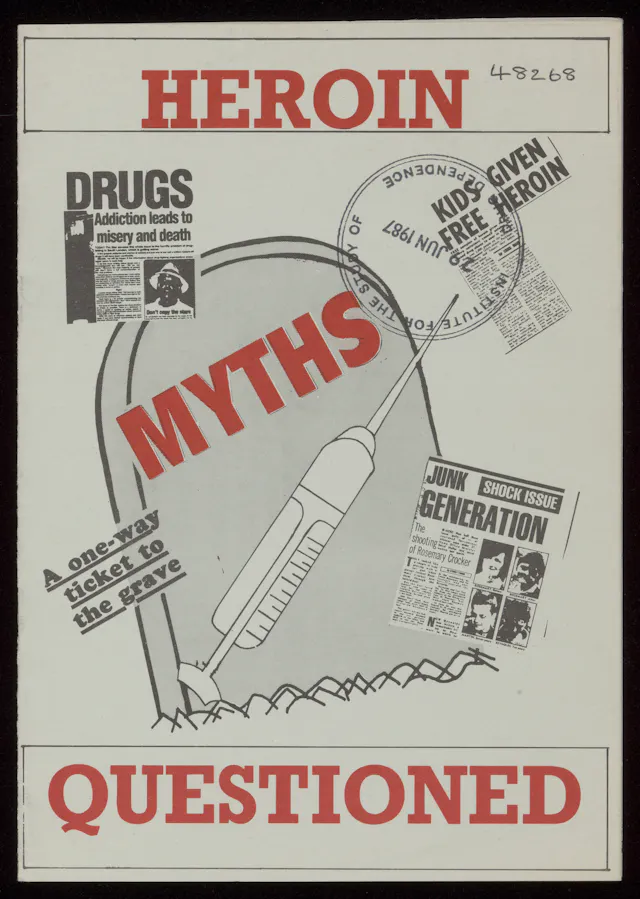
Myths
 |
| https://images.prismic.io/wellcomecollection/e7e6a71f7bea306a3ca3669eed18828439e12e67_heroin-myths-questioned.jpg?auto=compress%2Cformat&rect=&w=640&h= |
1. No one does heroin anymore- According to research, 80% of heroin users in the 1970s reported that it was the first opioid they ever used. Nowadays, that number is flipped: 80% of heroin users report that they started with prescription painkillers. As a result, heroin has become a growing threat due to prescription drug abuse and addiction (Moawad, 2021).
2. You instantly get addicted to heroin- While this is a common myth, this is not exactly true for someone to become dependent on heroin after trying it once and becoming a addict automatically
3. Only homeless people use heroin- The population of heroin usage has changed over the past few decades, which means more people of different backgrounds are gaining access to heroin in various ways. It’s important to not stereotype every heroin addict as a homeless “junkie”. It can affect your family, friends, or coworkers. Because it’s so incredibly addictive, heroin takes no prisoners when it comes to addiction (Moawad, 2021).
4. Smoking or snorting is safer than shooting up- While using needles for injection of heroin is common and can be a dangerous method, smoking and snorting can be just as dangerous. Heroin is incredibly addictive and dangerous, no matter how you take it. That’s because the drug disrupts your breathing, so regardless of how it is taken, there is no safe route.
References
American Addiction Centers. (2021, December 20). Athletes & Addiction: Drug Abuse in Sports & Rehab Near Me. American Addiction Centers. Retrieved March 4, 2022, from https://americanaddictioncenters.org/athletes
Moawad, H. (2021, June 7). Heroin Addiction Myths & Facts: The Truth about Heroin Addiction. Bedrock. Retrieved March 4, 2022, from https://bedrockrecoverycenter.com/addiction/heroin/myths/
Veliz, P., Boyd, C. J., & McCabe, S. E. (2016, August). Nonmedical prescription opioid and heroin use among adolescents who engage in sports and exercise. Pediatrics. Retrieved March 4, 2022, from https://www.ncbi.nlm.nih.gov/pmc/articles/PMC4960731/


Ajanae, this is a perfect group choice, as they are so commonly affected. Doctors give out intense pain killers for everything now. My topic for my blog is opioids/prescription drugs/fentanyl, so our topics overlap quite a bit. The fact that they think it is safe to take these pills from their doctor, then getting addicted and getting into heroin, is heart breaking. It is interesting how our substances are like step one and two in that terrible way. I did a little research and the article said that 28-46% of high school athletes will experience lifetime opioid use and it goes up to 52% in professional players (Ekhtiari, S., Yusuf, I., AlMakadma, Y., MacDonald, A., Leroux, T., and Khan, M., 2020).
ReplyDeleteReferences
Ekhtiari, S., Yusuf, I., AlMakadma, Y., MacDonald, A., Leroux, T., and Khan, M. (2020) Opioid use in athletes: A systematic review. National Library of Medicine, Retrieved from https://pubmed.ncbi.nlm.nih.gov/32758077/#:~:text=Opioid%20use%20among%20professional%20athletes,of%2028%25%20to%2046%25.
Hello Ajanae
ReplyDeleteAs a former athlete, I found your blog on the culture of Heroin and athletes very interesting and informative. I also appreciated how you organized the myths about Heroin into a numbered list making them easier to read.
I found a blog post from the National Institute on Drug Abuse that I thought you might interesting in as it relates to your blog three topic. The blog post is entitled Student-Athletes the AntiOpiod. The article discusses how student-athletes are less likely to use opioids including Heroin since they produce a natural high from endorphins through physical activity. Endorphins can release a natural chemical called dopamine which many athletes will refer to as a runner’s high. This feeling can alleviate some of the pain from an intense workout, (National Institute on Drug Abuse,2016.)
Reference
National Institute on Drug Abuse. (2016). Student-Athletes. The Anti Opioid. https://archives.drugabuse.gov/blog/post/student-athletics-anti-opioid