Phillips-Comorbidity & Addictions
Comorbidity & Addictions With Heroin
 |
| https://sbtreatment.com/wp-content/uploads/2018/08/items-02.png |
Comorbidity and Heroin?
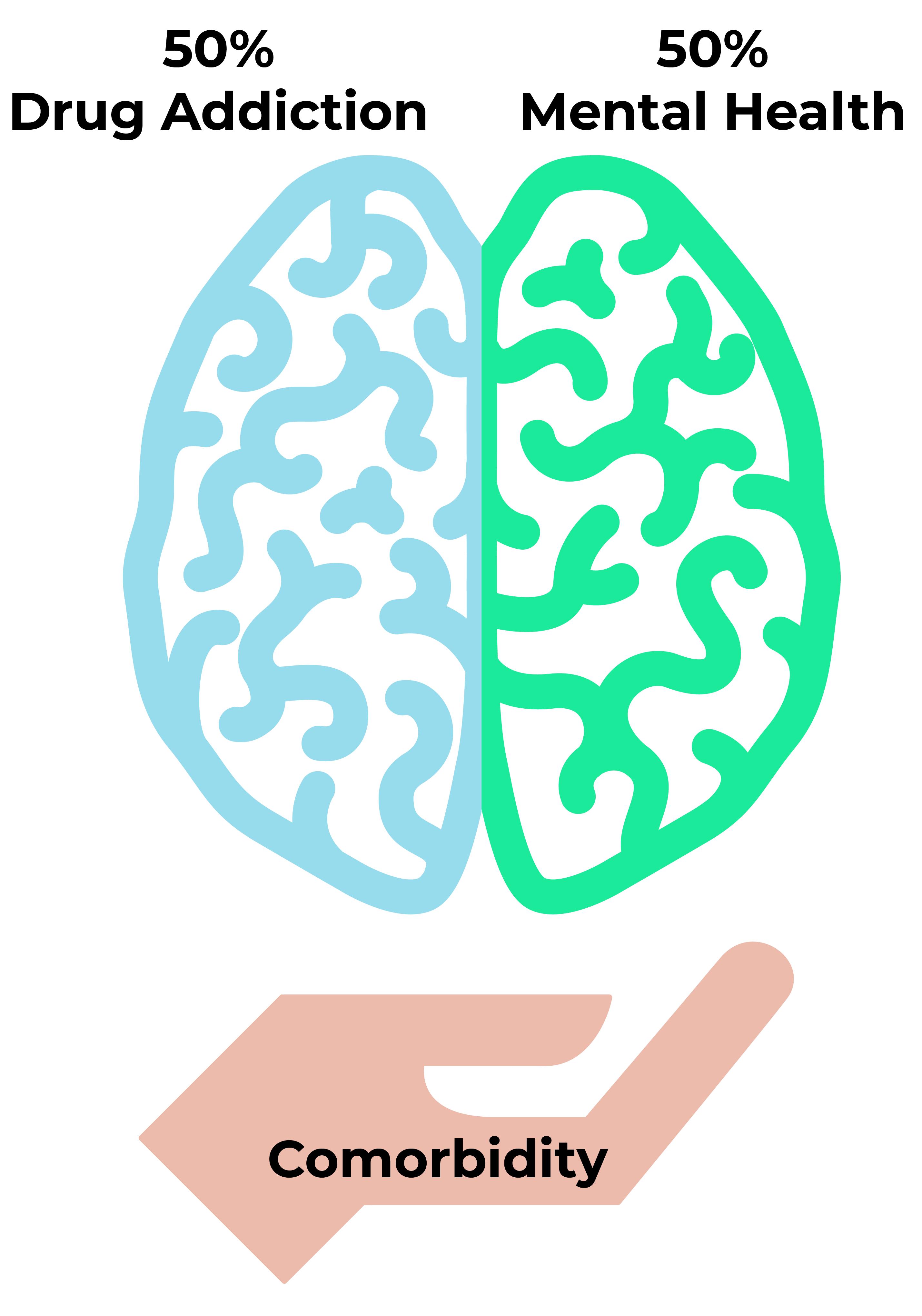
Some people may wonder what comorbidity is in itself and how it relates to substances such as heroin. When a person has two or more health conditions at the same time, or if one condition occurs right after the other, this is known as comorbidity (Christiansen, 2021). For example, common comorbidities that individuals can have are diabetes and high blood pressure since those are two health conditions that one person has at the same time. When it comes to heroin, this is one of the deadliest drugs in America and continuing to be on the rise, there is sure to be a higher number of complications within individuals who are users unfortunately. Heroin is a highly addictive drug due to the euphoric feeling associated when being used by an individual and in order to keep having that sense of euphoria, one can become addicted quickly. While the euphoria keeps people coming back for more, there are various ways people can be affected by the continuous use of heroin both biologically and psychologically in which most people don't particularly care about as long as they are able to use again. Whether they are long or short-term effects, these can completely change the way a person behaves and thinks, making them almost unrecognizable. In other words, people who continue to use drugs such as heroin are more than likely to have complications on the physical and mental spectrum that can eventually become worse with the usage.
 |
| https://www.toprehabs.com/wp-content/uploads/2019/05/Heroin-Long-Term-1-612x1024.png |
Long Term Physical Effects
When people usually think of others who use heroin, there is the natural reaction of thinking about the physical changes that occur which make it more obvious that someone is using. Typically people may think of the tremendous weight loss that can occur or the physical marks on one's body when speaking about heroin or other drug substances. While those are common physical effects, there are other physical effects that occur when there is the use of heroin over time. Some of the largest risks of long-term heroin use are the potential for irreversible impact to the liver or kidneys from damage or infectious diseases (Patterson, 2021). The brain can also be adversely affected due to lack of oxygen (Patterson, 2021). Effects such as these to vital organs can increase the chances of hospitalizations or even death when continued for a period of time. Other physical effects from heroin that people may not know about or think much about are decrease in sexual functioning, weakness and sedation, decreased dental health and poor appetite and malnutrition. With there being multiple issues that can occur on the physical end, it is essential to spread awareness to this issue because there are people who may need the signs such as those listed to further understand how to possibly help someone who is suffering from drug use.
 |
| https://sereneretreat.com.my/wp-content/uploads/2021/02/paper_brain_shutterstock_228722455.jpg |
Mental/Psychiatric Comorbidities (Depression & Anxiety)
Outside of the physical aspect, there is the other biggest concern when someone is using heroin or any other drug substance and that is their mental state. This once again surrounds the euphoric state that one enters when using and how it alters the functioning of the brain as time goes on. Usually when one is seeking this euphoric pleasure for that temporary amount of time, they are more than likely trying to escape their reality which can include mental illness. According to the Substance Abuse and Mental Health Services Administration’s (SAMHSA) 2018 National Survey on Drug Use and Health, nearly 9.2 million adults in the United States have a comorbidity that includes substance abuse and a mental illness, or two types of mental illness, such as anxiety and depression (Christiansen, 2021). Mentioning depression and anxiety seems to be understandable being that these are common mental illnesses that many individuals are diagnosed with around the world. It is one thing for someone to be diagnosed with depression and anxiety when not using drugs but others who are using drugs such as heroin typically have already been diagnosed with these mental disorders and it adds another layer on the usage of heroin. One of the most common examples of comorbidity in the mental health field is depression and anxiety disorder. According to the National Alliance on Mental Illness (NAMI), some sources estimate that nearly 60% of those with anxiety also have symptoms of depression and vice versa (Christiansen, 2021). There are other mental health disorders such as bipolar disorder, PTSD, panic disorder and social anxiety that can be represented in people with substance use disorder.
Treatment Options
Looking at treatment options for heroin use, there of course is the highly strong recommendation of getting professional help because getting through an addiction alone is not typically heard of. As far as the various long-term physical comorbidities mentioned, treatment would be surround heroin withdrawal since that is a major issue when trying to recover from addiction. Since withdrawal from heroin can be extremely uncomfortable and can prompt the individual in recovery to turn back to the drug, professional treatment is frequently recommended (Patterson, 2021). Oftentimes, a period of detoxification is needed at the onset of treatment to manage symptoms and maintain comfort while the remainder of the substance leaves the body (Patterson, 2021). In other words, the professional help for the individual can possibly help decrease the chance of further developing physical comorbidities such as liver damage or other infectious diseases which in turn can possibly increase the lifespan.
Treatment for the mental comorbidities would typically require doing intensive research to find the right treatment for that individual. Finding the right treatment for someone with comorbidities often requires consultation and planning between various healthcare providers and organizations (Christiansen, 2021). Doing the work in searching for the proper treatment within different organizations is important because there are multiple mental disorders that individuals are suffering from and are looking to escape from through the use of heroin or other related substances. Putting care and attention into getting them the help necessary to better address their psychological needs that were probably never considered by others.
References
Christiansen, S. (2021, December 10). What is Comorbidity? Verywell Health. Retrieved April 1, 2022, from https://www.verywellhealth.com/comorbidity-5081615#toc-common-comorbidities
Patterson, E. (2021, October 12). Heroin Effects: Short Term, Long Term & Side Effects. DrugAbuse.com. Retrieved April 1, 2022, from https://drugabuse.com/drugs/heroin/effects-use/


Ajanae’ – I liked how you gave a brief background of comorbidity (with general examples) and the background of heroin. Great additions with the photos, I particularly liked the one that showed the use of heroin and the human body. Your sections are detailed and easy to read. I really enjoyed the statistics you added into the discussion about depression and anxiety. I think the use of statistics really allows us to put it into perspective. Reading your blog makes me want to look more into the topic, and into the real life stories regarding treatment. As we continue to talk/read more about heroin use, I think it’s a good way for people to truly understand the benefits and struggles behind the addiction. It will also allow them to see that it is not something you can overcome overnight, but also even more difficult when there are multiple underlying conditions. Very well presented, and great job!
ReplyDeleteHello Ajanae! Great job on your blog! I like the pictures you used, and how easy it is to read. I never knew that heroin could have such bad effects on mental health as well as physical health. Heroin can inhibit the stress hormone cycle! I never met anyone on heroin but I bet they would be very on edge all the time. Heroin is one of the deadliest drugs in america, I think you did a great job of explaining why and how it is. I think the treatment you described can be very helpful for heroin addicts! Good job!
ReplyDeleteAjanae,
ReplyDeleteThis is an extremely descriptive and thorough post regarding comorbidity and substance abuse. Heroin is an intense drug that can often cause people to become addicted very quickly. That is why it is not to be taken likely since it can only take a couple times to be addicted to this substance. People never take into consideration all the harm they are putting on their body mentally and physically with doing intense drugs. It is beneficial that you added in most often people that are using a substance such as heroin in the first place are already dealing with a mental disorder. It is important that people seek the proper treatment when dealing with comorbid disorders. Group sessions can also be beneficial for people dealing with issues like this so that way they can relate to other's that might be going through a similar situation. Mental disorders such as depression and anxiety can be dangerous especially when they are mixed with extreme substance use.
Ajanae,
ReplyDeleteI learned so many things I did not know before about heroin as the affects it can have on ones mind and body. I really enjoyed the graph you used to identify the parts of the body that can be harmed with heroin use. When you have the example of an individual that has diabetes may also high blood pressure, I thought that was a great example of what comorbidity is. Not only did you give a great overall summary of what comorbid disorders can be found with someone that is using heroin, but you also provided excellent advice on treatment. I agree, I think it is best for the user to get professional help to find a treatment that is going to be most beneficial to them. With heroin especially, it is smart to have professional there and ready to assist in the process of recovery as withdrawal symptoms will be hard and turbulent on the body if correct precautions are not taken.