Heroin Introduction
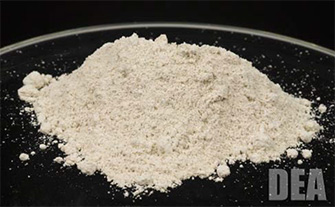
Heroin which is a commonly known within the United States is an opioid drug made from morphine. Morphine is a natural substance taken from the seed pod of the various opium poppy plants that are grown in Mexico Southeast and Southwest Asia, and Colombia (National Institute on Drug Abuse, 2021). When the topic of heroin is mentioned within the media, there is typically a negative story surrounding the drug due to its high use within individuals. Heroin can be a white or brown powder (example above), or a black sticky substance known as black tar heroin (National Institute on Drug Abuse, 2021). Heroin can be a highly addictive drug when one comes into contact with it and unfortunately, it can lead to serious consequences both physically and psychological. Taking a look at the history of heroin, it stems back to the early 1900s within the medical field. Scientists at a German pharmaceutical firm investigated a chemical modification to morphine that made it more palatable as a cough suppressant which became marketed as "heroin". Although it worked against coughs caused by serious and then-common diseases such as tuberculosis and pneumonia, physicians and pharmacists soon noticed an unhappy side effect—patients required ever larger doses and were becoming increasingly dependent on the elixir (Yale School of Medicine, 1999). By 1912 it had emerged as a recreational drug among young men in New York City and soon enough addicts were knocking at the doors of New York and Philadelphia hospitals in search of treatment (Yale School of Medicine, 1999). This then started a chain reaction since it eliminated pain and continued to grow as time went on, even after it became illegal in 1924 which led to traffickers marketing off of the opioid drug.
Being that this is a highly addictive drug, it is essential to highlight the reasons why one may become addicted to heroin and this all surrounds the euphoric pleasure within the brain. Abusers describe a feeling of a surge of pleasurable sensation, named as "rush" or "high". Repeated administration of high doses of heroin results in the induction of physical dependence. (Hosztafi, 2011). Physical dependence refers to an altered physiological state produced by chronic administration of heroin which necessitates the continued administration of the drug to prevent the appearance of a characteristic syndrome, the opioid withdrawal or abstinence syndrome (Hosztafi, 2011). Having that "rush" sensation can seem enjoyable for a temporary amount of time and once that feeling has vanished, it is more than likely for someone to want to have that feeling again which therefore would lead to using heroin again. Typically when heroin is being used by an individual and they don't have contact with it after an amount of time, withdrawal begins to kick in and can have symptoms that affect one physically in various ways. Symptoms of the withdrawal include restlessness, insomnia, drug craving, diarrhea, muscle and bone pain, cold flashes with goose bumps, and leg movements (Hosztafi, 2021). Major withdrawal symptoms peak between 48 and 72 hours after the last dose of heroin and subside after about a week. At this time, weakness and depression are pronounced and nausea and vomiting are common (Hosztafi, 2021).
Withdrawal can persist for weeks, even months but eventually relapse can occur for chronic addicts at a rapid rate based on the craving for heroin and the pleasure it brings. Heroin addiction is considered as a behavioural state of compulsive drug use and a high tendency to relapse after periods of abstinence (Hosztafi, 2021). It is generally accepted that compulsive use and relapse are typically associated with the status of heroin craving or heroin hunger that are difficult to define but appear to be powerful motivational significance in the addiction process (Hosztafi, 2021). When it comes to someone who may be a chronic heroin addict, there are various methods in which heroin can be administered. There is the common use of injection through a needle and there is also the use of sniffing or smoking as well. When focusing on the injection administration and seeing the popularity within this method, there are physical effects that can be consequential towards good health. Frequent injections coupled with widespread sharing of syringes increase the risk of contracting HIV, hepatitis B, C and other blood-borne infectious diseases (Hosztafi, 2021). Outside of the injection aspect, heroin use in general can lead to various physical problems when used for a great amount of time. Long-term use of heroin has also severe medical consequences such as scarred veins, bacterial infections of blood vessels, liver and kidney diseases, and lung complications.
:max_bytes(150000):strip_icc()/GettyImages-951636492-64ab53c465c4447cb67f6c704ed0fa55.jpg) |
| Self-Administered Injection Needle/Heroin |
References
National Institute on Drug Abuse. (2021, November 1). Heroin. National Institutes of Health. Retrieved February 4, 2022, from https://nida.nih.gov/drug-topics/heroin
Yale School of Medicine. (1999, January 15). From Cough Medicine to Deadly Addiction, a Century of Heroin and Drug-Abuse Policy. Yale School of Medicine. Retrieved February 4, 2022, from https://medicine.yale.edu/news/yale-medicine-magazine/article/from-cough-medicine-to-deadly-addiction-a-century/


Hi Ajanea, I thought your blog on heroin was super informative and also really interesting. I think having an image to show, like the one you used with the needle and the substance, is really powerful because it gives the reader a picture that will stay in their head, even after reading your blog. You listed a lot of great facts and information about heroin that the general public probably does not know. One thing I was thinking about while reading your post was, what the statistics are on overdoses. I came across an article that I thought was interesting and wanted to share because it focuses upon heroin overdoes and how this number is sadly increasing within the U.S. I thought this article had a lot of significant information and in particular, I found it especially interesting where the author mentions how overdoses do not usually occur with new users (Darke & Hall, 2003). "Contrary to popular misconception, it is not younger, inexperienced heroin users that are at greatest risk of overdose death," and "rather than novice users, it is long-term, dependent heroin users who are at greatest risk" (Darke & Hall, 2003, p. 190). This is due to the fact that for a heroin user, their tolerance increases over time and because of this, they may use more, or a higher potency, which can then result in overdose (Darke & Hall, 2003).
ReplyDeleteDarke, S., & Hall, W. (2003). Heroin overdose: research and evidence-based intervention. Journal of urban health : bulletin of the New York Academy of Medicine, 80(2), 189–200. https://doi.org/10.1093/jurban/jtg022
Ajanae,
ReplyDeleteYour blog was very informative yet very easy to understand. Even though, we all know what heroin is and what it could do, something that kept my brain was what are the obvious signs that someone is addicted to this hard substance? Or how common is heroin actually being used in today's society compared to when it first was discovered?